

You can support this indie author by buying a signed copy of Humans Don’t Have horns or even as part of a VIP box (only three left) on my TikTok shop.
Humans Don’t Have Horns is also available at KU, audio, and more.
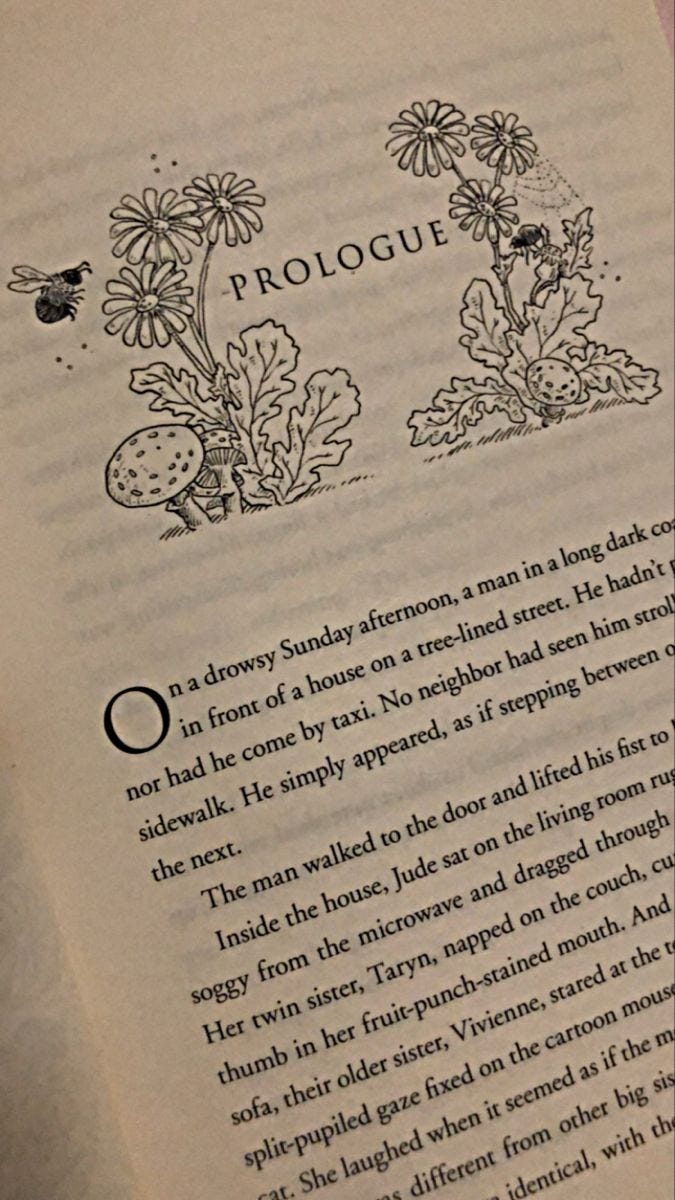
The Great Prologue Debate
Few elements of novel-writing spark as much debate as the prologue. Writers often love them, while many agents and editors caution against prologues, usually because they’ve seen them misused.
A poorly executed prologue can feel like making the audience start the story twice. No wonder conventional advice is often “When in doubt, skip the prologue.”
Why Some Editors Say “Skip the Prologue”
Before exploring how prologues can shine, let’s understand the pitfalls that give prologues a bad reputation:
-
Info-Dump & Backstory Overload: Often, new writers use a prologue to dump background information they think the reader must know upfront. This can result in a dry history lesson or a genealogy of the characters’ world that isn’t engaging.
-
The “Double Start” Problem: A prologue that isn’t clearly distinct can make the book feel like it starts twice.
-
“False Start” Syndrome: Sometimes a prologue is really just Chapter 1 in disguise.
-
Length and Pacing Issues: Another red flag is a long prologue. If it drags on for 30 pages of world-building, you risk losing the reader before Chapter 1.
When Prologues Do Work
Love or hate them, some stories are elevated by a well-crafted prologue. A prologue can lure the reader in, whispering promises of the story to come. There are a few types of prologues that often prove effective.
1. Flash-Forward Prologues – Hooking the Reader
One powerful prologue strategy is to show a glimpse of the future, hinting at a dramatic event or the story’s climax before returning to the beginning in Chapter 1.
Carissa Broadbent, author of The Serpent and the Wings of Night, is referred to as “queen of prologues”. Broadbent herself has explained her strategy: “Almost all of my prologues tell you the end of the book in some way.”
She likes to give readers a glimpse of an outcome or climactic moment at the start, but often cryptically or poetically. The full meaning might only become clear after you finish the book.
2. Backstory and Context – Setting the Stage
Another classic use of prologue is to present vital background that occurs outside the timeline of the main story. Rather than inserting a huge flashback later or dumping backstory into dialogue, the author gives us that scene upfront as a standalone mini-story.
When done right, a backstory/context prologue can actually enhance a book’s pacing. Take, for example, The Cruel Prince. The events of the prologue establish the story’s central conflict: Jude’s mortal existence in the treacherous and cruel world of Faerie. It sets the stage for her future as a teenager in the Faerie courts.
3. The other POV
We get to see a POV that we don’t necessarily have in the rest of the book. One of the best-loved parts of Allie Hazelwood’s Bride and Mate was the prologue in each chapter. While the entire book was from the FMC’s POV, in a very short paragraph, sometimes only a sentence or even a word, Hazelwood brings the viewpoint of the MMC, and it is delicious.
Another really good example of this that I read recently was in Six of Crows, yet Bardugo didn’t name it as a prologue. The book starts with a POV from someone whose sole purpose is to bring a different perspective to events that have occurred, so we, as readers, know more than the characters at some point.
I also did a similar trick, but not as a prologue, in Humans Don’t Have Horns. I have a point of view whose purpose is entirely to shed light for the readers, and once he completes his mission, he does not return.
Prologue or Not? Making the Choice for Your Story
So, given all the above, should you include a prologue in your novel? It boils down to intent and execution. Before you decide, ask yourself a few key questions:
-
Is there a compelling reason the reader needs to see this scene before Chapter 1?
-
Will the prologue hook the reader? If you can’t, maybe you don’t need it.
-
Does the prologue pay off later?
-
Is it short and focused?

