

If you enjoyed Humans Don’t Have Horns, there are two things you can do to help it reach more readers:
-
Leave a review on Goodreads
-
Request it at your local library.
If you haven’t read Humans Don’t Have Horns, it is available on KU, in paperback, and the audiobook is widely available across major platforms.
All links in my Linktree at the bottom.
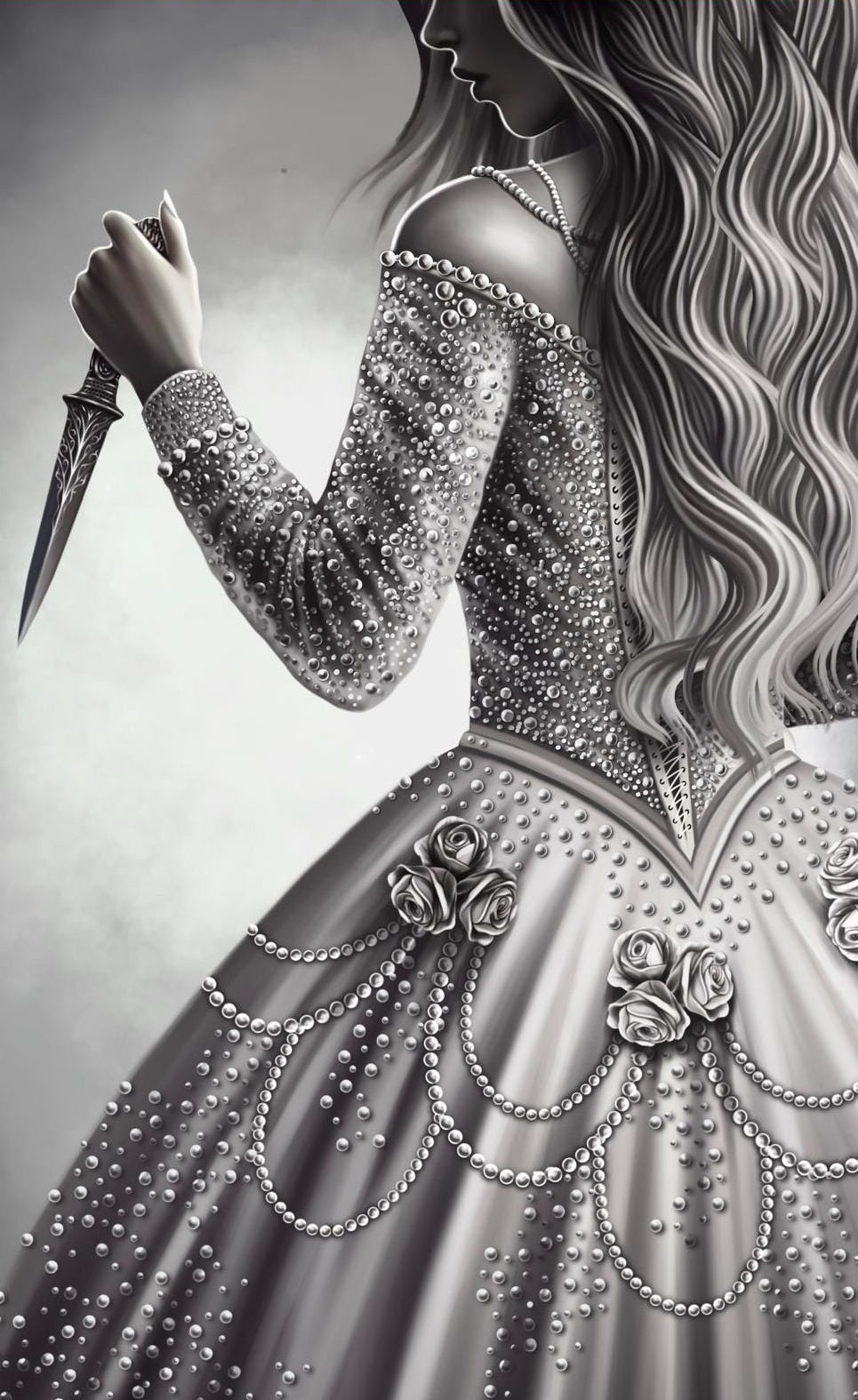
I finished the manuscript of the second book in the A Crown of Blood and Magic trilogy and sent it off for editing just a week ago.
Obviously, this is not a finished book. Editing will take months, during which I’ll receive crucial feedback and need to improve the book. Still, it feels monumental, and I want to share the process of getting into the professional editing phase, after sharing pieces of my writing process with you along the way.
I published the first book in the trilogy in August 2025. It took me a very long time to write Humans Don’t Have Horns, but it took me even longer to decide to publish it. It also had to go through two different editors before I felt it was good enough to be published.
I wrote bad poetry in my younger days and long academic research works, but I had never written fiction. The trigger that pushed me to write a book was unemployment.
We moved to the U.S. in 2021, and my visa at the time didn’t permit me to work for the first year. For me, that was an overwhelming emotional situation. I had left a very intense, high-performance career behind, and had been working since I was fourteen. I remember dropping my kids off at school on their first day, sitting in the car, and starting to cry because I felt so lost. That feeling pushed me into writing. I needed a project to keep me busy.
From there, it became an evolving journey until I decided I actually wanted to publish it, a decision that involved my husband pushing me. And I needed that push, because it was terrifying to realize that someone would actually read what I wrote. Because what if it’s not good enough? If you experience perfectionism in your own life, then you know that when people casually say they’re perfectionists as if it’s some charming downside, they have no idea what they’re talking about. Perfectionism is miserable.
After I finished writing the first book, I started writing the second. But I really struggled with it. There’s a new character in this book that I had a very hard time with. It was important to me to include them, but I also felt they were very complex, and I was not sure how much complexity readers could hold while still relating to the character.
I wouldn’t say I had writer’s block, but I definitely avoided writing for long periods of time because it felt hard, and other things felt easier. Even publishing Humans Don’t Have Horns, promoting it, and marketing it felt easier than writing the second one at times.
Then, once I published the first book, I started getting feedback from readers asking when the second book would be published, and that they were looking forward to it. Which is the best compliment you can possibly get, but also incredibly stressful, when you don’t know when you’re going to finish the second book.
I shared about the struggle in writing a second book here
Come September
So, after a long time avoiding writing, I decided on September 1 to create a system because I do believe systems work. Habits help you do things you struggle with. They create a routine, and once you manage to start, you’re much more likely to keep going. From my experience, that is true in other parts of life too.
That said, in September, I was not starting from scratch. I already had about a third of the first draft written. So it is not that it took me only six and a half months to write the book. It took longer than that.
I used an Erin Condren planner, and I bought that specific one because it has hourly planning. That meant I could write down every half hour that I sat and worked, and it gave me the satisfaction of seeing myself achieve my goals and follow through.
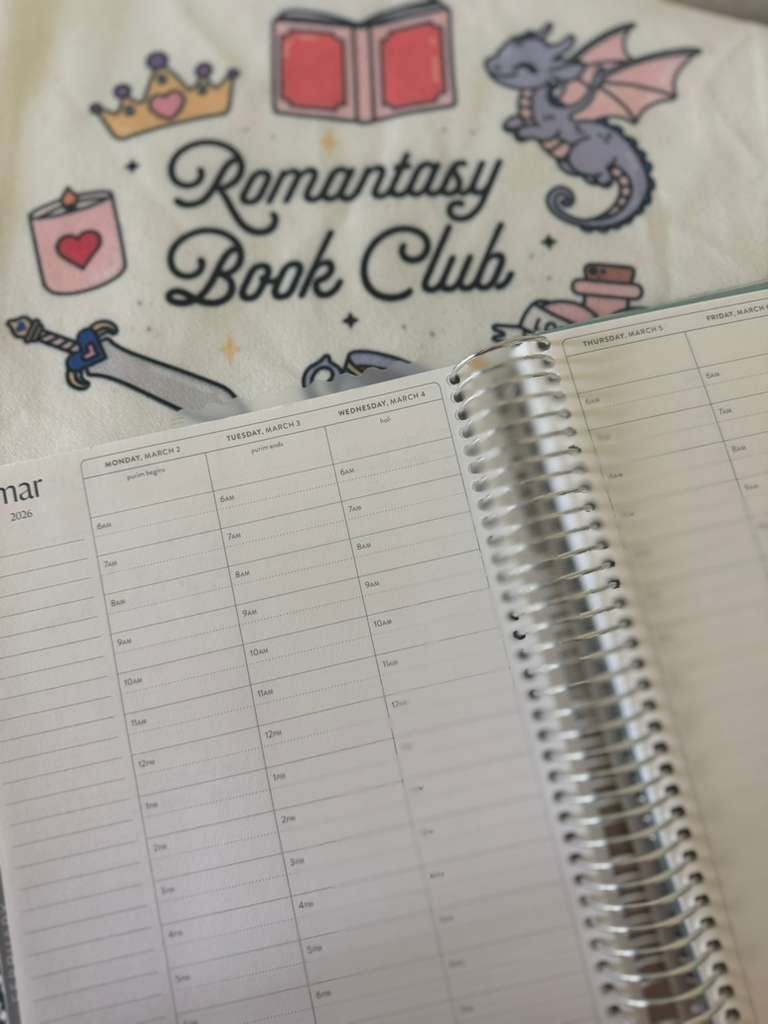
Later in the process, as I progressed further into the writing, I didn’t feel the need to track it so closely, so I did it less often. But it really helped me through September and October.
At that point, not only was I overwhelmed with publishing and marketing Humans Don’t Have Horns, but I had also committed to a major project I had to lead. It was extremely time-consuming and mentally taxing, so it was very hard to find time to sit down and write. And I would almost always prefer to do marketing instead. I know that might sound weird to other authors, but marketing felt intellectually easier to me. It was less taxing and less of a struggle.
For me, writing the first draft, and even the second, is the hardest part. Sometimes it feels like I would rather pluck out every hair in my body than do it. It can be really fun when the imagination flows, but when you have to force it out, it can be a nightmare. And sometimes you just have to force it out.
I do enjoy writing. But it is not my escape. It is not something I would just do endlessly out of need. That is a very different experience from what I often read here on Substack from other authors. I see people talking about how passionate they are about writing, and it’s not that I don’t love it, because I do. It’s just that it is hard. You are not passively enjoying something. You are pushing yourself to create something that not only makes sense but is also gripping, says something, and stays coherent through all of it. That is hard.
The system I created was this
I don’t expect anyone to take what I did and copy and paste it into their own life. It will not work for everyone.
I set a goal of a minimum of four and a half hours a day working on my author career. This doesn’t include weekends, so only five days a week.
And I know that this is a privilege that most readers here do not have.
The first two and a half hours, usually from 9:00 a.m. to 11:30 a.m., were only for writing the book. That was it. I could not do anything else. And I am NOT a morning person.
As I said, in some of those hours, I genuinely felt like I would rather pluck out all my, at least, eyebrows.
But I did it. I really did. I was very consistent. It was a huge struggle in the beginning, and it took a lot of effort for people around me to understand that I could not meet in the mornings. I could not engage in other things during that time. It was a process for people to understand that this was something I was taking very seriously.
The other two hours a day were supposed to go toward marketing, including social media. I did better with that in the beginning. But in the last month or two, I have not been doing as much marketing. Perhaps because I have been so deep in editing, but most likely it’s the notorious burnout.
Still, this system really helped me. At first, I thought I would finish the book by the end of February. It took me two more weeks than that, and that is fine. I am still really happy and excited that I managed to compress the writing into that period of time.
I am not a fast writer. I do not write thousands of words a day. It takes me a long time. Not being a native English speaker does not help. But I don’t think I’d be a particularly fast writer in my own language either.
I have already shared that I used sticky notes for the timeline.
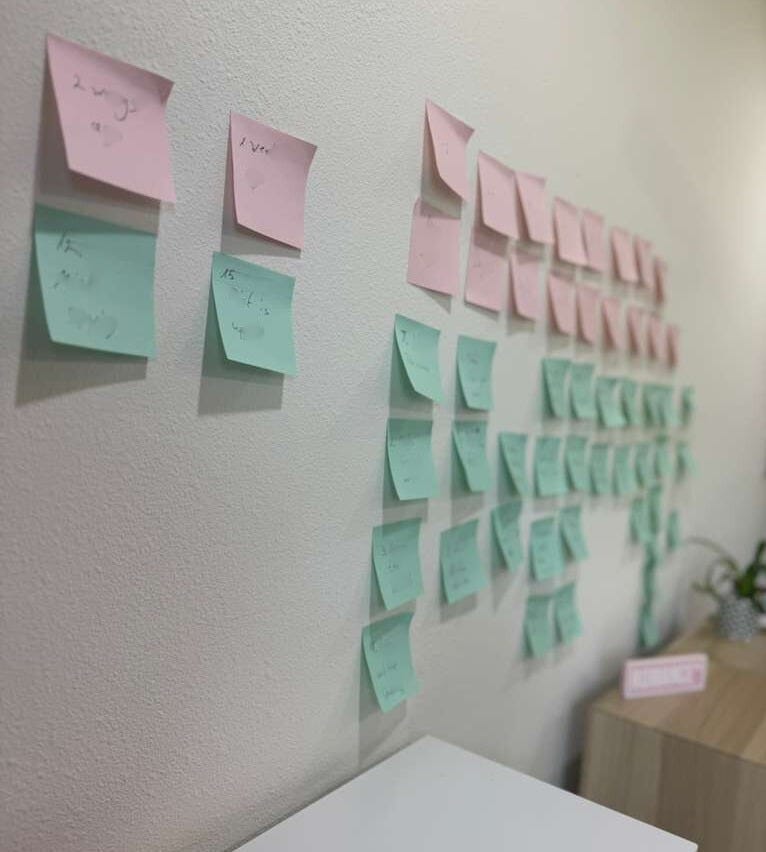
I did not do anything especially high-tech. I use Grammarly. I know a lot of people use ProWritingAid. I tried it, but it did not feel better than Grammarly for me, though it is possible I missed something. I also work in Word, so overall, my process is very low-tech.

